Local rubbish recycling and donation options Elephant and Castle
Posted on 07/10/2026
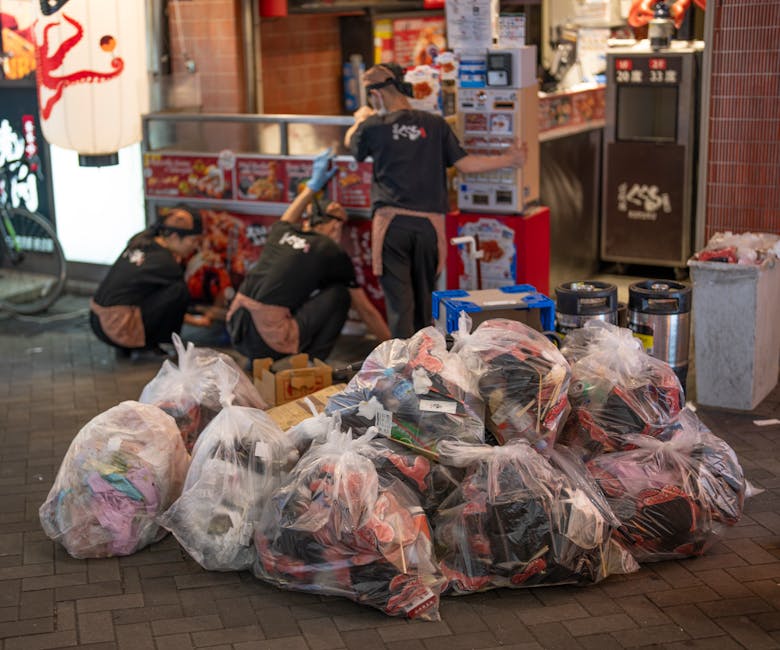
If you are sorting out a flat, clearing a hallway full of old furniture, or trying to decide what to do with a pile of mixed household waste, the search for Local rubbish recycling and donation options Elephant and Castle can feel oddly complicated. One bag can go to recycling, another to donation, and the broken bit of furniture? That needs a different route again. In a busy part of London, where space is tight and collections need to be timed properly, getting it right saves hassle, money, and a fair bit of stress.
This guide breaks down the local options in plain English. You will see how recycling and donation choices work, which items tend to be accepted, when a professional clearance service makes sense, and how to avoid common mistakes that lead to rejected loads or unnecessary costs. We will keep it practical, local, and human. No fluff.
One small note before we dive in: if you are planning a bigger clearance or need help with mixed waste, it can be useful to compare services and policies first. The details matter more than people think, especially in dense areas like Elephant and Castle.
Why Local rubbish recycling and donation options Elephant and Castle Matters
Elephant and Castle is one of those places where rubbish can build up quickly. Flats are compact, storage is limited, and a simple room refresh can produce more waste than expected. Add in shared entrances, lift restrictions, narrow stairwells, and the usual London parking realities, and suddenly waste disposal becomes less of a quick chore and more of a mini project.
That is exactly why local recycling and donation choices matter. The better you match each item to the right route, the less likely you are to waste time on repeat trips or have goods turned away. It also keeps usable items in circulation. A solid chair, a working lamp, or a decent table should not end up in the same stream as broken plasterboard or food waste. Truth be told, a lot of people throw away things that could easily be reused if they just knew the right option.
There is also a practical side. Proper sorting can reduce clutter before a move, make a property easier to clean, and help you stay on the right side of building rules and local collection expectations. In a mixed-use area like Elephant and Castle, that matters more than you might expect.
Expert summary: The best approach is usually simple: separate reusable items first, recycle clean materials where accepted, and treat anything bulky, mixed, or hazardous as a separate case. Small effort upfront, much smoother clear-out later.
How Local rubbish recycling and donation options Elephant and Castle Works
The process usually starts with sorting. That sounds obvious, but in practice it is where most people save or lose time. You need to split items into broad categories: reuse, recycle, general waste, bulky waste, and anything that needs special handling. Once you do that, the rest becomes much easier.
In Elephant and Castle, local options generally fall into a few everyday routes:
- Donation or reuse for items that are clean, working, and safe to pass on.
- Recycling for materials like cardboard, certain metals, plastics, wood, and some electricals, depending on condition and collection rules.
- Bulky waste clearance for items too large for normal bins and difficult to move alone.
- General rubbish removal for mixed waste that cannot be reused or recycled.
- Special handling for items that require extra care, such as mattresses, paints, or electrical goods.
The important thing is not to assume every item belongs in the same pile. A wardrobe with one broken hinge may still be reusable. A sofa with ripped fabric might be accepted for clearance but not for donation. A bag of old chargers may be recyclable through an electrical route, while tangled cables mixed with packaging may need separating first. Slightly annoying, yes. But once you know the pattern, it gets easier.
For households and landlords who need help with mixed loads, a general service like rubbish clearance in Elephant and Castle can be a practical middle ground when you do not want to manage everything item by item. If the job is larger or includes bulky pieces, options such as furniture disposal in Elephant and Castle or house clearance in Elephant and Castle may be more efficient.
For people who like having a simpler plan, the process often looks like this:
- Identify anything reusable.
- Remove recyclable materials from general waste where possible.
- Group bulky items separately.
- Check access, collection timing, and lifting requirements.
- Choose the most appropriate route for each stream.
It is not glamorous. But it works.
Key Benefits and Practical Advantages
There is more to local rubbish recycling and donation than just "getting rid of stuff". Done properly, it saves time, reduces waste, and makes clear-outs noticeably less chaotic. A few benefits stand out.
1. Less waste goes to landfill or incineration
Reusing or recycling items where possible is the obvious environmental benefit, but there is a practical one too. You simply create less mixed waste to deal with. That means fewer bags, fewer runs, and less mess around the home or property.
2. Reusable items get a second life
That old dining chair may not be beautiful, but it may be perfectly usable. Donation routes are ideal for items that still have value, especially if they are clean and in decent condition. Let's face it, most people keep far too much "just in case" stuff. This is a decent chance to let some of it go in a useful way.
3. Smaller clear-outs feel manageable
Breaking a job into recycling, donation, and disposal makes the whole thing feel less overwhelming. Instead of one giant mountain of clutter, you get smaller, clearer decisions. That alone can make a big difference when you are in a hurry, moving home, or preparing a rental property.
4. You are less likely to make avoidable mistakes
Sorting early helps you avoid putting the wrong materials together. That can reduce refusals, extra handling, and confusion on collection day. A bin bag full of mixed items looks simple, but it is often the least efficient option.
5. Better results for landlords, tenants, and small businesses
If you manage a flat, office, or shop space, local recycling and donation options can support quick turnovers and cleaner handovers. For example, a landlord clearing a furnished flat before new tenants move in may use a broader service such as office clearance in Elephant and Castle or a similar clearance option depending on the type of waste involved.
Who This Is For and When It Makes Sense
This kind of service is useful for more people than you might think. In practice, it helps anyone who has more waste than a normal weekly bin collection can reasonably handle.
- Homeowners clearing spare rooms, lofts, garages, or after redecorating.
- Renters moving out and needing to dispose of unwanted furniture or boxed-up clutter.
- Landlords preparing a property between tenancies.
- Estate managers dealing with bulky or mixed items in communal areas.
- Small businesses replacing office furniture or clearing old stock.
- People downsizing who want to separate donation-worthy items from true waste.
It also makes sense when you have access problems. Elephant and Castle has its fair share of flats, shared entrances, and awkward loading situations. If you have ever tried to move a heavy wardrobe down a narrow stairwell while someone else is coming up with a buggy, you already know why planning matters. No one enjoys that kind of logjam.
If you only have one or two small bags of recyclable material, a simple household route may be enough. But if your waste is mixed, bulky, or urgent, it is usually worth considering a more structured clearance approach. That is especially true for larger jobs involving several item types.
Step-by-Step Guidance
If you want a clean, efficient result, work through the job in order. This keeps decisions simple and reduces the chance of wasting time on the day.
Step 1: Walk through the space and make three piles
Start with a quick sweep of the room, flat, garage, or office. Make three groups: keep, donate/reuse, and dispose/recycle. Be ruthless with the middle one. If something has been unused for ages and is still in decent condition, it may be better passed on. If it is broken, stained, or unsafe, be honest about it.
Step 2: Separate reusable items from recyclable material
Reusables should stay clean and dry. Recyclables should not be mixed with food waste or general rubbish. If in doubt, keep them separate until you know the right route. A cardboard box with tape and plastic inserts is not the same as a clean stack of cardboard, and that tiny difference matters more than people expect.
Step 3: Check item condition
Donation only makes sense if the item is in a condition someone else can actually use. Ask yourself: would you be happy receiving it? If the answer is no, it probably belongs in the disposal pile instead.
Step 4: Think about access
Before you book anything, look at stairs, lifts, parking, loading points, and where the items are stored. A five-minute access check can prevent a lot of grumbling on collection day. In busy blocks, that saves everyone a headache.
Step 5: Choose the right route
Small, clean, reusable items may suit donation. Recyclable material should go into the appropriate recycling stream where possible. Bulky or mixed waste is often easiest through a clearance service such as junk removal in Elephant and Castle or waste removal in Elephant and Castle, depending on what you have.
Step 6: Keep photos and notes
This is a simple one, but useful. Take a few photos of bulky or mixed items before collection. It helps you keep track of what is going where and gives you a clearer picture if you later need to confirm what was removed. Not fancy. Just practical.
Step 7: Do a final sweep
Once the waste is out, check corners, cupboards, and under furniture. You would be amazed how often a charger, a small bag of screws, or one last shoe turns up at the very end.
Expert Tips for Better Results
After enough clear-outs, a few habits stand out. They are small, but they make the whole process easier.
- Sort early, not at the curb. Last-minute sorting is where mistakes happen.
- Keep donations clean. Dusty or damp items are much less likely to be accepted.
- Leave broken items separate. One damaged item can spoil a whole donation pile.
- Flatten cardboard where possible. It frees up space and makes handling simpler.
- Use clear bags or labelled piles. It helps everyone understand what belongs where.
- Plan around access windows. In Elephant and Castle, a short delay can turn into a long one if loading becomes awkward.
A useful rule of thumb: if you need to explain an item three times, it probably needs its own pile. That is not a technical rule, just a sanity saver.
If you are dealing with a bigger property job, it can help to review service information before booking. The broader overview on services and clearance options can give you a better sense of which route fits your load, rather than guessing and hoping for the best.
Another good habit is to check whether items can be taken apart safely. Bed frames, shelving, and some office furniture are often easier to move in sections. Less awkward carrying, fewer scratches, fewer muttered complaints. Everyone wins.
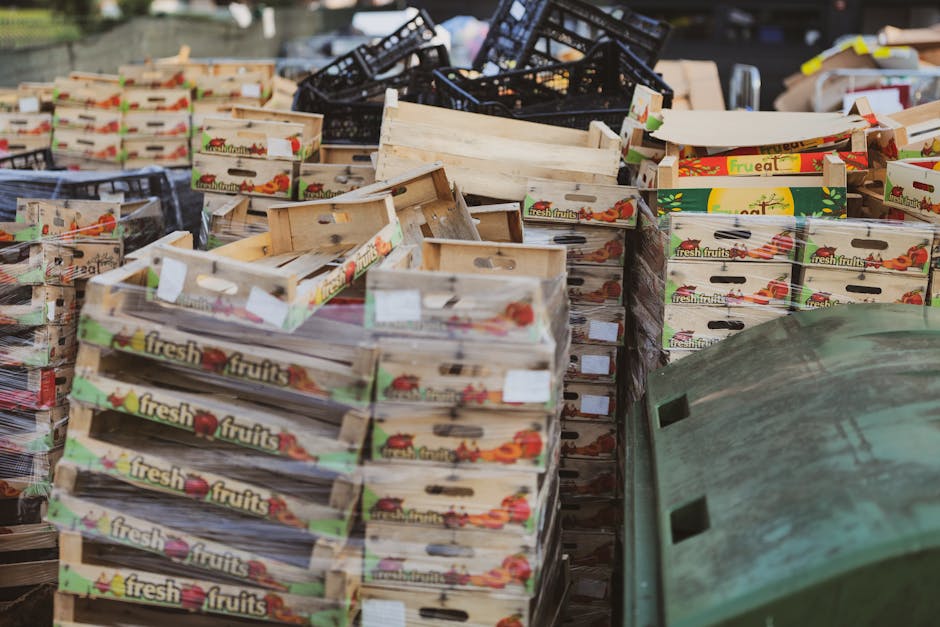
Common Mistakes to Avoid
People usually do not get rubbish sorting wrong because they do not care. They get it wrong because they are in a rush. Fair enough. But a few mistakes crop up again and again.
Putting everything into one pile
This is the biggest one. It is quicker in the moment, but slower in the end. Mixing recyclable, reusable, and general waste makes the job harder to process and can reduce the value of what could have been donated.
Assuming damaged items can still be donated
If an item is broken, stained, missing parts, or unsafe, donation is usually not the right route. Reuse only works when the next person can actually use the item without a repair headache.
Forgetting about access and parking
Collection plans can fall apart if the vehicle cannot get close enough or the items are stuck behind locked doors, bikes, or a stack of boxes that somehow grew overnight.
Not checking what counts as recyclable
Different materials need different handling. A clean cardboard box is not the same as contaminated packaging. Small differences like that can affect whether items are accepted.
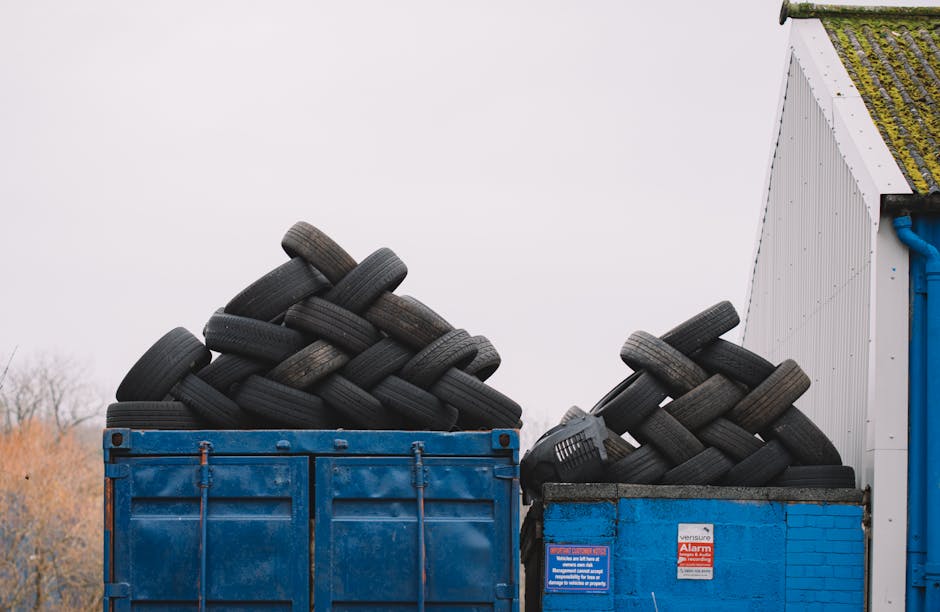
Leaving sorting until the day of collection
This is where the stress really kicks in. You end up moving things twice and making rushed decisions. Not ideal.
Forgetting that bulky items may need separate handling
Big items such as wardrobes, sofas, mattresses, and large appliances often need planning. If you need a specific bulky-item route, a focused option like skip hire in Elephant and Castle may suit some projects, while direct collection may suit others. It depends on access, item type, and how much you are clearing.
Tools, Resources and Recommendations
You do not need a lot of equipment to manage a decent sort-out, but a few simple tools make the job less messy and more organised.
- Heavy-duty bin bags for mixed waste and smaller loose items.
- Reusable boxes for donation items or fragile goods.
- Marker pens and labels to mark donation, recycle, and disposal.
- Gloves for lofts, garages, and dusty clear-outs.
- Measuring tape if you need to check whether furniture will fit through stairwells or exits.
- Phone camera for quick item photos and access checks.
For larger or more complicated jobs, a service that handles collection and transport can save time. If your clear-out includes a mix of household rubbish, old furniture, or heavier waste, it may be worth comparing rubbish collection in Elephant and Castle with other clearance routes to see which is most efficient.
If you are disposing of materials from a renovation or heavier project, a more specialist route may be better. For example, building waste requires different handling from standard household clutter, so builders waste clearance in Elephant and Castle may be the more suitable option.
It is also worth reviewing useful site pages such as recycling and sustainability and about us if you want more background on how a provider approaches responsible disposal.
Law, Compliance, Standards, or Best Practice
Waste handling in the UK is not something to treat casually. You do not need to memorise legislation to make sensible choices, but you should understand the general expectations around responsible disposal, safe handling, and using properly run services.
Best practice usually means the following:
- Use legitimate collection and disposal routes. Do not hand waste to anyone who cannot explain where it goes.
- Separate hazardous or specialist items. Some things need extra care and should not be dumped with ordinary rubbish.
- Keep documentation where appropriate. For business or landlord clearances, records can be useful.
- Protect shared spaces. In blocks and estates, avoid blocking hallways, exits, or fire routes.
- Choose insured, safety-conscious operators. This matters if items are heavy, awkward, or collected from challenging access points.
If you are arranging waste removal for a business or office, standards matter even more. Responsible handling is not just about tidiness; it is also about duty of care, reputation, and keeping the site safe for staff and visitors. A straightforward overview of related service commitments can be found on the page for insurance and safety.
For pricing and booking clarity, it is sensible to review pricing and quotes so you know what is included before confirming anything. Hidden assumptions are where misunderstandings creep in. Nobody likes that.
Options, Methods, or Comparison Table
Different waste types need different methods. The right choice depends on how much you have, what condition it is in, and how quickly you want it gone.
| Option | Best for | Advantages | Watch outs |
|---|---|---|---|
| Donation / reuse | Clean, working furniture, clothes, household items | Keeps usable items in circulation; usually the most sustainable route | Items must be in good condition and suitable for passing on |
| Local recycling | Sorted materials like cardboard, metal, certain plastics, electricals | Reduces general waste and supports material recovery | Items often need to be clean and separated properly |
| Bulky waste collection | Large items such as wardrobes, sofas, mattresses | Convenient for one-off clear-outs; less lifting for you | May require access planning and careful item description |
| General rubbish clearance | Mixed waste, clutter, end-of-tenancy clean-outs | Flexible and fast when sorting everything yourself is unrealistic | Less material may be reused if items are mixed together |
| Skip-based solution | Ongoing projects or heavier renovation waste | Useful for projects with repeated disposal needs | Needs space, permissions, and proper loading discipline |
For many households, the sweet spot is a mix of donation, recycling, and a small amount of clearance support. That tends to be the simplest, cleanest outcome. If your situation is more straightforward, you may only need one route. If it is a full flat clear-out, well, that is a different story entirely.
Case Study or Real-World Example
A typical Elephant and Castle clear-out might look like this: a resident is moving from a two-bedroom flat and has accumulated a mix of items over several years. There is a sofa that still looks usable, a bookcase with one loose shelf, a few bags of old clothes, flattened cardboard, a broken desk chair, and some random bits from a cupboard that nobody remembers buying.
Instead of treating it all as one load, the resident separates it into three groups. The sofa and bookcase go into the reuse pile after a quick condition check. The cardboard and some packaging are separated for recycling. The broken chair, damaged storage bits, and odd leftovers go into the disposal pile. A photo is taken of the furniture so the collection team knows what to expect, and access is checked in advance because the lift is small and the corridor is tight.
The result is simpler all round. Reusable items are handled more sensibly, the waste load is smaller, and collection day is less frantic. No heroics required. Just a bit of planning. That is usually how the best jobs go.
For a similar approach on larger domestic jobs, a dedicated loft clearance in Elephant and Castle or garage clearance in Elephant and Castle can help when the clutter has built up in hard-to-reach places.
Practical Checklist
Use this before booking or arranging your clear-out:
- Have I separated reusable items from general rubbish?
- Are donation items clean, working, and safe?
- Have I grouped recyclable materials on their own?
- Do I know which items are bulky or awkward to move?
- Have I checked access, stairs, lift size, and parking?
- Do I know whether any items need specialist handling?
- Have I taken photos of larger pieces?
- Have I confirmed what service best suits the load?
- Am I clear on timing and collection expectations?
- Have I checked the final sweep so nothing useful is left behind?
This list sounds simple. It is. But simple is often what works best.
Conclusion
Finding the right Local rubbish recycling and donation options Elephant and Castle is mostly about being organised, honest about item condition, and realistic about access. If something can be reused, let it. If it can be recycled cleanly, sort it properly. If it is bulky, mixed, or awkward, choose a service that can actually handle the job without turning the day into a drama.
The good news is that once you build the habit, waste decisions become much easier. You stop guessing. You stop overfilling bins. And you start seeing clear-outs as a sequence of simple choices instead of one giant headache.
If you are planning a move, managing a flat, or just trying to reclaim a bit of breathing room, the smartest next step is to sort what you can, separate the rest, and choose the most suitable disposal route for each item. Small steps. Proper result.
Get a free quote today and see how much you can save.
And if you are halfway through a cluttered room right now, take a breath. You are closer than it feels.


 Tipper Van - Rubbish Removal and Junk Clearance Prices in Elephant and Castle, SE1
 Luton Van - Rubbish Removal and Junk Clearance Prices in Elephant and Castle, SE1





