Rubbish removal for Heygate Estate flats access problems solved
Posted on 01/07/2026
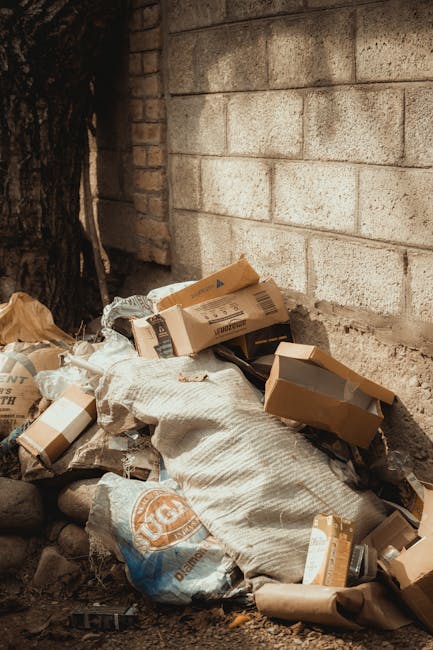
If you live or work around Heygate Estate, you already know the awkward bit is rarely the rubbish itself. It is the stairs, the narrow turns, the lift that seems to have a mind of its own, the shared entrance, the timing, and the "where on earth do we park?" question. That is exactly why Rubbish removal for Heygate Estate flats access problems solved is not just a service phrase, but a very real practical need.
This guide breaks down how flat clearance can still be done smoothly when access is tight, what good rubbish removal looks like in a busy SE17 setting, and how to avoid the little mistakes that turn a simple job into a stressful one. You will also find a step-by-step approach, a comparison of options, and a checklist you can use before booking. Simple enough. Useful enough. And yes, a lot less painful than dragging a wardrobe through a corridor that barely fits a hoover.
Why Rubbish removal for Heygate Estate flats access problems solved Matters
Access problems are the difference between a routine collection and a delayed, messy one. In flats around Heygate Estate, rubbish removal often has to work around stairwells, controlled entry, shared lifts, limited loading space, and neighbours who quite reasonably do not want the landing blocked for an hour. If the plan is poor, the whole process gets slower, noisier, and more expensive than it needs to be.
That matters for a few reasons. First, rubbish builds up quickly in flats because storage is limited. A couple of chairs, some old boxes, a broken TV, and a bag or two of mixed junk suddenly become a trip hazard. Second, access issues can create friction with building management or neighbours if bags are left in corridors or if the team turns up without the right method. Third, in a place like SE17, where people are often balancing busy schedules, you need a clearance that fits the building rather than one that assumes a driveway and a wide-open front path.
There is also the simple reality that not every item can be shifted the same way. A mattress is awkward. A fridge is heavier than it looks. Flat-packed waste from a refurb can be deceptively bulky. And if you are on a higher floor, every extra trip adds strain and time. Good planning turns all of that from chaos into a short, controlled visit.
To be fair, this is where local knowledge really helps. Someone who understands flat access in Elephant and Castle is more likely to come prepared with the right vehicle size, lifting approach, and manpower. That is often the difference between "we'll come back later" and "sorted in one visit".
How Rubbish removal for Heygate Estate flats access problems solved Works
The best rubbish removal for flats starts before anyone lifts a single bag. The process is part logistics, part common sense, and part respect for the building. Here is the usual flow when access is the issue.
- Initial assessment - The team asks what needs removing, which floor you are on, whether there is lift access, and whether parking or loading restrictions apply.
- Access planning - They work out the safest route from flat to vehicle, including stairs, corridors, lift use, and any pinched corners.
- Manpower and equipment - Depending on the load, they bring enough people to keep the move efficient and safe, plus sack trucks, blankets, straps, or trolleys where suitable.
- Arrival and protection - Good operators arrive ready to avoid scuffs, blocked routes, and unnecessary noise. In a flat building, that small bit of care goes a long way.
- Removal and loading - Items are carried out in a controlled way, not rushed through communal spaces like a scene from a moving day nightmare.
- Sorting and disposal - Waste is separated for reuse, recycling, or disposal wherever possible. If the load includes mixed items, it is handled accordingly.
What makes this work well in a place like Heygate Estate is adaptability. One day the lift is available and the job is quick. The next day it is out of order and the same job needs extra lifting and a bit more patience. A solid rubbish removal plan can flex without making the customer shoulder the hassle.
If you want a broader picture of what the team can handle beyond flat access problems, it can help to look at the services overview and the more specific rubbish clearance in Elephant and Castle option. For heavier or awkward household pieces, furniture disposal is often the better fit.
Key Benefits and Practical Advantages
The most obvious benefit is that you do not have to drag waste through a building that was never designed for easy bulky-item removal. But the bigger advantage is how much smoother the whole experience becomes when access issues are planned properly.
- Less disruption for neighbours - Faster removal means less corridor congestion and fewer awkward encounters in the lift.
- Reduced risk of damage - Walls, bannisters, and doors are less likely to get knocked when items are carried by people who know what they are doing.
- Better safety - Heavy lifting in tight spaces is where accidents happen. A proper team lowers that risk.
- More efficient use of time - Instead of making repeated trips or waiting for the right moment, the job is completed in one planned visit.
- Cleaner handover - This matters for landlords, tenants moving out, and anyone preparing a flat for sale or rent.
- More flexibility - Access can change. Good rubbish removal adjusts without turning into a drama.
There is also a financial angle, even if nobody loves talking about it. If access is poor and the job runs long, costs can creep up. Planning the removal correctly from the start often keeps the whole thing tighter and easier to budget for. If you are comparing options, the company's pricing and quotes information is worth checking before you book.
Expert summary: The fastest rubbish removal in flat blocks is rarely the one with the biggest vehicle. It is usually the one that is planned best for the building, the access route, and the actual items being removed.
Who This Is For and When It Makes Sense
This type of service is a strong fit for a few different situations. If any of these sound familiar, you are probably in the right place.
- Tenants moving out and needing to clear bulky waste before checkout.
- Landlords or letting agents preparing a flat for new occupants after an exit or end-of-tenancy clearance.
- Homeowners who have accumulated broken furniture, old appliances, or general clutter in a flat with awkward access.
- Property investors who need a quick, presentable turnaround before refurbishment or re-letting.
- Residents without lift access who simply do not want to spend an entire afternoon ferrying items down stairs.
- Small businesses or home workers clearing office-like waste, packaging, or old equipment from a flat-based workspace.
It also makes sense when the waste is mixed. For example, a flat clearance might include cardboard, a bed frame, a broken wardrobe, and a few bags of miscellaneous household rubbish. That is where a flexible service is easier than trying to separate it all into separate trips. If your job is especially urgent, the same-day rubbish removal guide for SE17 can help you think through the timing side of things.
There is a small human truth here: people often wait too long. A corner fills up. Then the hallway. Then the "temporary" pile becomes part of the furniture. Happens all the time. The fix is usually simpler than the delay leading up to it.
Step-by-Step Guidance
If you are dealing with flat access problems around Heygate Estate, the best way to keep things calm is to treat the job like a mini project. Not a huge one. Just structured enough to avoid surprises.
- List everything to be removed
Write down the bulky items, number of bags, and whether any items are fragile, heavy, or awkward. Do not rely on memory alone; that is how the extra chair appears at the last minute. - Check the access route
Measure doorways if you are unsure, note lift size, and think about stair turns, low ceilings, or narrow halls. If an item needed two people to move it into the flat, it will almost certainly need two people to move it out. - Identify building restrictions
Some blocks have concierge rules, restricted loading times, or specific entry procedures. Let the removal team know early so they can plan around it. - Choose the right service type
If it is mainly household clutter, rubbish collection may be enough. If there are big items, a junk removal approach may suit better. For renovation debris, builders' waste is a more relevant option, and there is a dedicated builders waste clearance service for that kind of load. - Prepare the flat before arrival
Move small loose items into one area if you can. Clear a route to the door. Keep pets safe. And, if possible, let neighbours know there may be a short period of activity. - Confirm timing and contact details
Access problems are often solved by simple communication. A quick call or message at the right moment saves a lot of standing around. - Sort what can be reused or recycled
Even if the main goal is speed, good removal should still consider reuse and recycling. It is better for the building and better for the planet, frankly. - Ask for a final sweep
Once the main items are gone, check corners, behind doors, and under tables. Small forgotten bits tend to hide there.
If you are still figuring out the broader service mix, the waste removal page is a useful reference point, and house clearance may be more appropriate if the whole flat needs clearing rather than just a few items.
Expert Tips for Better Results
Here is the part that tends to save time, money, and the occasional headache.
- Book for a quieter window - Early morning or midweek slots can be easier in busy residential blocks. Less foot traffic, fewer lift delays.
- Photograph larger items - A couple of clear photos make it easier to estimate the job and prepare the right team.
- Be honest about access - If the lift is small or the staircase is awkward, say so. Understating access problems is how jobs get messy.
- Separate dangerous or restricted waste - Items like paint, chemicals, or certain electricals should be flagged early. They may need special handling.
- Use labels where helpful - "Keep", "recycle", and "remove" is a simple system that helps when a flat has mixed contents.
- Think about vehicle access first - If the nearest loading point is tricky, the team may need to work in a different sequence. That is normal.
A practical note from real life: the person booking the job usually knows one or two details they think are minor. They are often not minor. That broken sideboard that "should be fine" can be the item that changes the whole plan. Better to mention it upfront than apologise later.
For customers who care about ethical and responsible disposal, it is sensible to review the company's approach to recycling and sustainability. And if safety matters in your building, the insurance and safety information is worth a quick read.

Common Mistakes to Avoid
Most access problems are manageable. The trouble starts when the job is underestimated.
- Leaving everything for the day of collection - Last-minute sorting creates confusion and slows the team down.
- Ignoring lift dimensions - Some items simply will not fit upright, and trying to force them is a bad plan.
- Forgetting parking and entry arrangements - A crew can be perfectly ready and still delayed by a simple access permission issue.
- Mixing unrelated waste types - Not every item belongs in the same load or disposal stream.
- Assuming the cheapest option is best - If access is poor, a slightly better-planned service is usually better value.
- Not warning about fragile communal areas - Narrow bannisters and painted walls need extra care.
And one more, because it happens a lot: people book a service for "a few bags" and then discover three shelves, a chest of drawers, and an old mattress also need going. It is not a catastrophe. But it does change the move. Always.
Tools, Resources and Recommendations
You do not need a van full of specialist gear to organise flat rubbish removal, but a few basics help a lot.
- Tape measure - Handy for doors, lifts, and awkward corners.
- Phone camera - Quick photos help explain bulky or unusual items.
- Labels or marker pens - Useful for sorting what stays and what goes.
- Strong bin bags or rubble sacks - Especially useful for mixed household junk.
- Blankets or cardboard - Good for protecting surfaces if items need to be moved through tight spaces.
- Access notes - Simple written reminders for gate codes, concierge instructions, or loading restrictions.
For readers comparing related services, these can also be useful depending on the job: furniture disposal for bulky household items, loft clearance for storage overflow, garage clearance for mixed stored waste, and rubbish collection for straightforward pick-ups.
If you are still deciding whether a skip is actually the right call for a flat, have a look at skip hire in Elephant and Castle. In many flat blocks, a man-and-van style clearance is simply easier because access is the main issue, not the amount of waste alone.
Law, Compliance, Standards, or Best Practice
Rubbish removal in residential buildings should be handled with care and in line with normal UK waste practice. You do not need to be an expert to expect the basics: waste should be transported responsibly, handled safely, and passed to appropriate disposal or recycling routes where possible. In practice, that means using a provider who knows how to manage mixed loads, avoid unsafe lifting, and respect the building environment.
For residents, the key best-practice points are straightforward. Do not leave waste blocking communal areas. Do not move items in a way that risks injury or damage. Do not assume all waste can be dumped together if there are electricals, sharp items, or potentially hazardous materials. If in doubt, flag the item before collection.
For building managers and landlords, a tidy removal process reduces complaints and avoids unnecessary wear on common areas. It also helps keep things moving if multiple flats are being cleared around the same time. That is especially helpful in a busy local area where people are coming and going at all hours.
If you want to understand the company side of things a bit better, the pages on about us and terms and conditions are worth checking. For booking confidence, it is also sensible to review payment and security and the privacy policy. They are not exciting reads, granted, but they do show how a business handles the details.
Options, Methods, or Comparison Table
Not every clearance job should be handled the same way. Here is a simple comparison to help you decide what fits a Heygate Estate flat with access problems.
| Option | Best for | Pros | Limitations |
|---|---|---|---|
| Man-and-van rubbish removal | Flats with stairs, lifts, or tight corridors | Flexible, fast, good for access issues, minimal fuss | May be less suitable for very large renovation loads |
| Skip hire | Bulkier projects with easy outdoor space | Useful for ongoing jobs and larger volumes | Can be awkward or impractical where access and parking are tight |
| House clearance | Full flat clear-outs or end-of-tenancy jobs | Comprehensive, covers many item types | Needs clearer planning if access is restricted |
| Junk removal | Mixed items, oddments, one-off bulky clutter | Convenient and adaptable | Not ideal if you need a very structured waste segregation plan |
As a rule of thumb, if the main difficulty is getting items out of the building, a flexible clearance service is usually the smartest route. If the main difficulty is volume and you have easy access outside, a skip can make sense. Different jobs, different tools. Pretty normal, really.
Case Study or Real-World Example
Here is a realistic example based on the kind of job people in the area often need, without dressing it up into a grand story.
A resident in a Heygate Estate flat was moving out and needed to clear a bed frame, a mattress, two bookcases, several bags of mixed rubbish, and a broken desk chair. The lift was available, but it was small, and the corridor had a sharp turn near the stairwell. The client was worried the removal would take most of the day and upset neighbours coming in and out.
The solution was simple but careful. The larger items were assessed first so the team knew what needed disassembly. The route was checked before lifting began. Items were moved in a controlled sequence, with the awkward pieces handled separately rather than pushed into one rushed pile. Communal spaces were kept clear. The job was finished with a quick final check for small items left behind under the bed and behind the desk.
The main lesson? The access problem was not solved by brute force. It was solved by sequence, patience, and the right approach for a flat block. That is often the whole story with these jobs. No drama. Just planning that actually respects the building.
Practical Checklist
Before booking rubbish removal for a flat with access problems, use this checklist. It keeps the job tidy from the start.
- List every item that needs removing.
- Check whether the lift works and whether the stairs are usable.
- Measure any narrow doorways or awkward corners if large items are involved.
- Confirm whether parking or loading access is restricted.
- Tell the provider about any fragile communal areas.
- Separate items you want to keep from items you want removed.
- Flag any heavy, sharp, electrical, or unusual items in advance.
- Make sure someone can provide access on the day.
- Ask how waste will be handled after collection.
- Keep a final walk-through of the flat for missed items.
If you are comparing providers or trying to decide whether to book now, the quickest next step is often to gather a few photos and a short item list. That alone usually makes the next conversation much easier.
Get a free quote today and see how much you can save.
Conclusion
Rubbish removal in Heygate Estate flats is rarely difficult because of the rubbish itself. It is difficult because of the access. Once you accept that, the solution becomes much clearer: plan the route, match the service to the building, keep communication simple, and let the removal team handle the heavy lifting with a method that fits the space.
Done well, the whole thing feels almost uneventful, which is exactly what you want. No blocked corridors. No stressful lift trips. No awkward last-minute reshuffling. Just a clean flat and one less thing on your list. And honestly, that relief is worth a lot.
For local context and a better feel for the area, you may also enjoy a local's perspective on living in Elephant and Castle or the local guide to Elephant and Castle. If you are thinking more broadly about the area and property movement, this smart buy guide for Elephant and Castle real estate is also useful background.
When access is tricky, the right rubbish removal plan does more than clear clutter. It gives you breathing room again. And that, in a busy block, is a quiet kind of win.
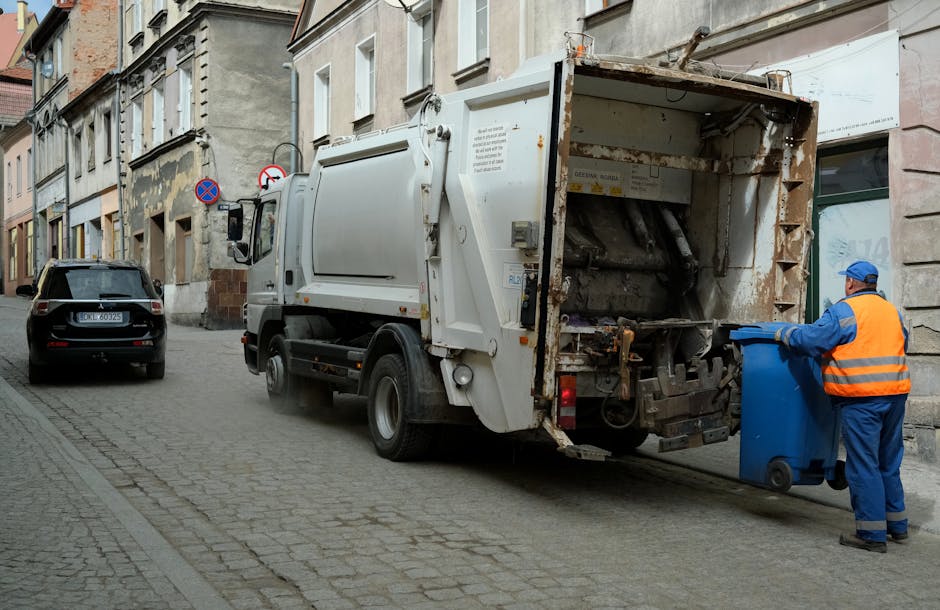


 Tipper Van - Rubbish Removal and Junk Clearance Prices in Elephant and Castle, SE1
 Luton Van - Rubbish Removal and Junk Clearance Prices in Elephant and Castle, SE1





