What to know Southwark Council rules for rubbish disposal SE17
Posted on 15/07/2026
If you live, rent, manage a flat, or run a small business in SE17, the rules around rubbish disposal can feel simple right up until they are not. One wrong move and you are dealing with missed collections, fly-tipping worries, unhappy neighbours, or a tidy little fine nobody asked for. This guide explains What to know Southwark Council rules for rubbish disposal SE17 in plain English, so you can put the right waste out at the right time, in the right way, without second-guessing yourself.
It is especially useful if you live in a block, share bins, have bulky items to get rid of, or need a quicker solution than waiting around with a pile of broken furniture in the hallway. We will cover the practical basics, common mistakes, best practice, and the decision points that matter in real life. A lot of people only think about rubbish when bags start stacking up by the door. Fair enough. But a little clarity now saves a lot of hassle later.
For local readers who want the bigger picture of living and managing property around Elephant and Castle, it can also help to understand the area context in a local's perspective on Elephant and Castle and the broader neighbourhood guide in a local's guide to the area.
Quick expert summary: put waste out only in the format your building or council collection expects, separate recycling properly, keep pavements clear, and never assume bulky or builder's waste can be left beside household bins. If you are unsure, check the collection arrangement first, then arrange a lawful removal option rather than improvising.
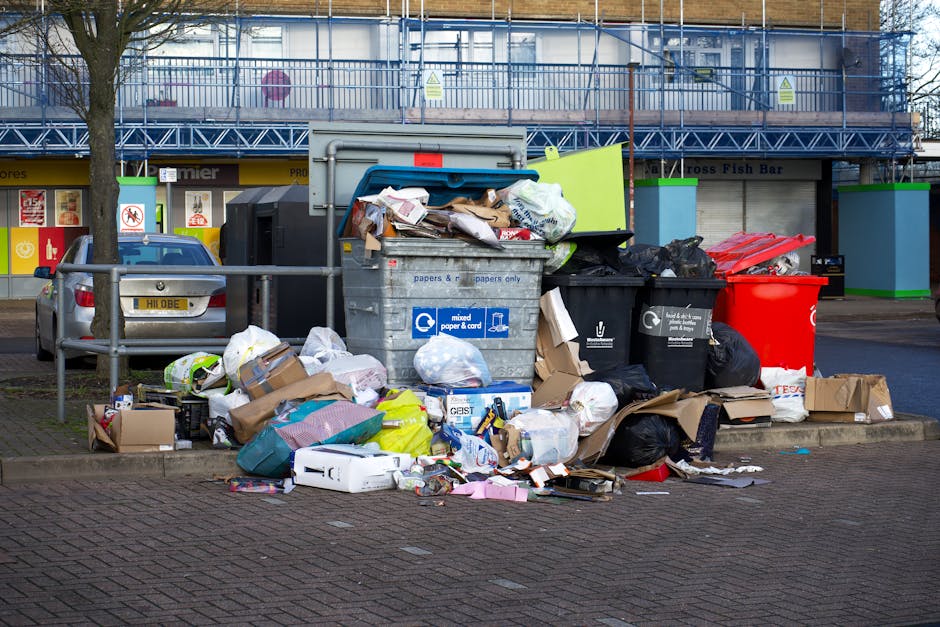
Why What to know Southwark Council rules for rubbish disposal SE17 Matters
Rubbish disposal rules are not just admin. They shape how clean your street looks, how easy it is for collectors to do their job, and whether your household stays on the right side of local expectations. In SE17, where there are lots of flats, busy pavements, shared entrances, and limited storage space, sloppy waste handling becomes visible fast. One bag left out at the wrong time can attract gulls, foxes, damp smells, and complaints. It does not take long.
There is also a practical neighbourly side to this. If everyone follows the same collection routine, bins are easier to access, recycling is cleaner, and communal areas feel less chaotic. That matters in estates, converted buildings, and developments where people are coming and going at all hours. In our experience, rubbish problems are rarely about one huge mistake. They are usually a chain of smaller ones: wrong bin, wrong day, wrong item, wrong assumption.
There is a wider compliance angle too. If rubbish is left where it can block walkways, create a trip hazard, or spill into the public realm, you can end up with avoidable problems. And if you are responsible for a property, business unit, or managed block, the standard expected of you is higher. Truth be told, good waste handling is one of those things people only notice when it goes wrong.
How What to know Southwark Council rules for rubbish disposal SE17 Works
At a practical level, rubbish disposal in SE17 comes down to a few basic principles. First, household waste needs to go into the correct container or collection system. Second, recycling should be sorted according to what your collection arrangement accepts. Third, items that do not belong in the normal stream - bulky furniture, electricals, garden waste, DIY rubble, or renovation debris - usually need separate handling.
If you live in a house with your own bins, the process is usually straightforward: you store waste safely, present bins on the correct day, and return them promptly after collection. In flats, the rules are often shaped by communal bins, bin stores, or estate arrangements. That is where people get caught out. The collection setup might be different from the one next street over, even though the postcode looks the same on paper.
Then there is the question of special items. A single broken wardrobe is not the same as a week's worth of black bags. A few hedge cuttings are not the same as builder's rubble. And a fridge is definitely not the same as an old cardboard box, despite all three somehow ending up near the back door when people are in a hurry. If you have unusual waste, it is wiser to treat it as a separate task rather than trying to squeeze it into the normal routine.
If you need a broader overview of available help, the services overview and recycling and sustainability approach are useful starting points for understanding what can be handled responsibly.
Key Benefits and Practical Advantages
Following the correct rubbish disposal rules brings more than just peace of mind. It makes everyday life easier. For one thing, you are much less likely to wake up to overflowing bags, messy entrances, or a bin area that smells worse by the hour. That sounds basic, but in dense parts of London, basic is valuable.
Here are some of the main advantages:
- Cleaner shared spaces: waste is less likely to drift into hallways, pavements, or estate walkways.
- Fewer collection issues: when waste is presented correctly, it is easier for collectors to do their job.
- Better recycling outcomes: cleaner sorting reduces contamination and improves practical recycling use.
- Less neighbour friction: nobody enjoys being the person whose bags keep blocking the bin store.
- Lower risk of avoidable penalties or complaints: especially where waste is left in the wrong place or at the wrong time.
There is another subtle benefit: it gives you a better system overall. Once you know how your waste should move through the week, you stop making last-minute decisions. That means less clutter indoors too. I know it sounds a bit dramatic to talk about rubbish as a lifestyle decision, but honestly, a tidy waste routine can make a flat feel calmer.
Who This Is For and When It Makes Sense
This guide is for anyone in SE17 who has to deal with rubbish in a way that is sensible, local, and compliant. That includes tenants, homeowners, landlords, letting agents, managing agents, office managers, shopkeepers, and anyone dealing with a clear-out. If you are moving, renovating, downsizing, or just trying to reclaim a spare room from old furniture and forgotten boxes, the same logic applies: know what can go where before you start dragging items downstairs.
It also makes sense if you are in one of those awkward in-between situations. Maybe you are not producing enough waste to justify a big service, but too much to fit in the normal bins. Or maybe you are clearing a flat in stages because access is tricky and the lift is tiny. That is common, especially in busy parts of Elephant and Castle and the surrounding streets. Small jobs can become complicated very quickly.
For property owners, waste handling is part of keeping the asset presentable and functional. If you are thinking in practical property terms, a clean and well-managed building is simply easier to let, manage, and maintain. That point comes up often in discussions around local investment and occupation, like the ideas covered in investing in property in Elephant and Castle and a smart buy guide for Elephant and Castle real estate.
Step-by-Step Guidance
If you want a simple route through the process, use this approach. It keeps things practical and avoids the usual "we'll sort it later" trap, which, let's face it, never really sorts itself.
- Identify the waste type. Is it household rubbish, recycling, food waste, furniture, garden waste, electricals, or building debris?
- Check your collection arrangement. In a house you may use your own bins; in a block, there may be communal bins or an estate schedule.
- Separate items properly. Keep recyclable materials clean and avoid mixing food waste with dry recycling.
- Set waste out correctly. Use the right bin, bag, or container, and place it where collections expect it to be.
- Handle bulky items separately. If it is a sofa, mattress, wardrobe, appliance, or similar, plan a dedicated removal route.
- Remove hazards early. Broken glass, loose nails, sharp edges, and leaking liquids should not be left exposed.
- Confirm access. If you are in a block, make sure bin stores, lifts, and entrances are clear for collection.
- Choose a lawful removal method if needed. Do not leave bulky waste by the street and hope for the best.
One useful habit is to do a five-minute waste check before collection day. You will often spot a stubborn item that should not go in the bin, or a bag that needs separating. That tiny pause can save a missed collection later on. Not glamorous, I know. Effective, though.
Expert Tips for Better Results
A well-run waste routine is mostly about consistency. Here are the details that make a real difference in SE17:
- Keep recycling clean and dry. Wet cardboard and food-stained packaging are common reasons for contamination.
- Flatten boxes before storage. It saves space in tight flats and makes bin stores less chaotic.
- Bundle similar waste together. Paper with paper, bottles with bottles, textiles separate, and so on.
- Do not overfill bags. Overstuffed black bags split easily, and then you are cleaning the pavement as well.
- Plan bulky clearances in daylight if possible. Daytime access is usually simpler, especially in busy blocks.
- Label items for removal. If you share a hallway or bin store, a simple note prevents confusion.
A small but important tip: if you are clearing out a property after tenants move, do not assume everything left behind is ordinary waste. Some items might be reusable, some might be special disposal items, and some could contain personal information. It is worth pausing for that decision. That one extra look can make a big difference.
If your rubbish job is time-sensitive, a same-day option can sometimes be the most practical route. The details in same-day rubbish removal in Elephant and Castle may help if you are working to a move-out deadline or handing back keys.
Common Mistakes to Avoid
Most waste problems come from predictable mistakes. The good news is that they are easy to avoid once you know them.
- Leaving rubbish out too early. It can block access, attract pests, and create complaints.
- Mixing the wrong materials together. A single contaminated item can spoil a recycling load.
- Using communal bins for bulky waste. That is one of the quickest ways to create a bin store bottleneck.
- Ignoring access rules in flats. If your building has a specific collection procedure, follow it.
- Dumping waste near bins. "Next to the bin" is not the same as "in the bin."
- Forgetting about safety. Sharp, heavy, or awkward items can injure you or anyone helping.
- Relying on guesswork for special waste. Electricals, paint, rubble, and large furniture often need a separate plan.
There is also a surprisingly common mistake: people wait until the last minute and then choose the first disposal option they see. That usually leads to stress, not savings. A better approach is to compare the few realistic routes before the pile gets too large. You do not need to become a waste expert overnight. You just need a sensible routine.
Tools, Resources and Recommendations
You do not need fancy equipment to manage household waste well, but a few simple tools help more than people expect:
- Recycling bags or boxes for keeping clean materials separate.
- Heavy-duty bin liners for general waste that is likely to be damp or heavy.
- A label marker for shared spaces or staged clear-outs.
- Protective gloves for handling sharp or dirty items.
- A basic tape measure if you are checking whether furniture or appliances will fit through doors and lifts.
For larger jobs, it helps to know what service category you actually need. A domestic clear-out is not the same as a builders' load, and an office move is not the same as emptying a garage full of old kit. If you are sorting that out, these pages are a useful fit: house clearance, office clearance, garage clearance, and loft clearance.
If your waste is more specific, you may need a narrower route such as furniture disposal, garden waste removal, or builders' waste clearance. That is usually the cleaner option, both literally and organisationally.
Law, Compliance, Standards, or Best Practice
This is the part people often skip, then regret later. In the UK, waste has to be managed responsibly. In plain terms, that means you should not dump waste illegally, you should keep it contained, and you should use a lawful route for anything that cannot go in normal household collections. If you are arranging removal through a third party, it is wise to make sure they operate responsibly and can handle the waste appropriately.
Best practice also means thinking about duty of care in a common-sense way. If you produce waste, you remain responsible for how it is handled until it is properly transferred. That applies even when someone else is carrying it away. So keep records, ask sensible questions, and do not hand material to an unknown operator who cannot explain where it goes. A bargain can become an expensive mistake very quickly.
For busy properties, managed estates, or small commercial premises, compliance is not only about legality. It is also about reputational hygiene, if that makes sense. A clean waste setup reduces complaints, keeps entrances usable, and reflects well on the property as a whole. The standards may not be exciting, but they are worth respecting.
Options, Methods, or Comparison Table
If you are deciding how to deal with rubbish in SE17, the best method depends on what you have, how much of it there is, and how quickly it needs to go. Here is a simple comparison.
| Method | Best for | Pros | Watch-outs |
|---|---|---|---|
| Regular council-style household disposal | Everyday black bag waste and basic recycling | Simple, routine, low effort when used correctly | Not suitable for bulky, hazardous, or mixed special items |
| Bulk item removal | Sofas, mattresses, appliances, wardrobes | Handles larger items properly and avoids blocked bin areas | Needs planning and access |
| Skip hire | DIY waste or larger clear-outs with space on site | Good for ongoing projects and heavier waste streams | Requires room, placement planning, and the right contents |
| Man-and-van rubbish removal | Fast clearances, awkward access, mixed household items | Flexible, convenient, often easier in blocks or tight streets | Must be lawful and appropriately handled |
To be fair, there is no single perfect answer. The right choice is the one that fits your actual mess, not the one that sounds cheapest for a completely different job.
Case Study or Real-World Example
A typical SE17 scenario goes like this. A resident in a second-floor flat has been clearing out after a move and ends up with a broken wardrobe, a stack of flattened boxes, a couple of small bags of mixed rubbish, and an old desk that barely made it down the hallway in the first place. The communal bins are already near capacity, and the building's bin store is narrow enough that even a shopping trolley feels like it is in the wrong place.
The first instinct is often to leave everything beside the bins and deal with it later. But that creates a problem for everyone. Instead, the cleaner approach is to separate the easy household waste from the bulky items, get rid of recycling correctly, and arrange proper removal for the furniture. That keeps the shared space usable and avoids the awkward "whose pile is this?" conversation in the stairwell. Nobody wants that conversation. Nobody.
In practice, this is where a local collection or clearance solution can save time. If access is tricky, a specialist route is often easier than trying to transport everything in bits and pieces over several days. For access-heavy blocks or awkward estate layouts, the challenge is not just size, it is logistics. The details in this Heygate Estate access guide reflect the kind of practical issue that comes up often in real buildings.
Practical Checklist
Use this checklist before you put anything out or book any clearance:
- Have I identified the exact waste type?
- Does this item belong in normal household rubbish or somewhere else?
- Is recycling clean and separated correctly?
- Are bins, bags, and containers suitable for the load?
- Will the waste be accessible on collection day?
- Is the item too large, heavy, sharp, or awkward for normal disposal?
- Could the waste create a blocked walkway or unsafe area?
- Do I need a clearer, faster, or more specialised removal method?
- Have I checked whether the building or estate has specific rules?
- Have I arranged help if lifting or moving is involved?
One small habit here helps a lot: keep a "go now" pile and a "needs separate disposal" pile. That split makes decision-making much easier. It sounds almost too simple, but simple systems are usually the ones people actually keep using.
Conclusion
Knowing What to know Southwark Council rules for rubbish disposal SE17 is really about making life smoother. Get the basics right, and waste stops being a weekly irritation. Get them wrong, and you end up with clutter, complaints, and extra stress for no good reason. The main ideas are straightforward: separate waste properly, follow the collection setup that applies to your property, handle bulky items responsibly, and do not leave anything to chance if it does not fit the normal routine.
If you are dealing with a larger clear-out, awkward access, or a pile that simply will not fit the usual collection pattern, it is worth exploring the most practical local option rather than forcing the wrong one. For transparent help with next steps, take a look at pricing and quotes, learn more about the team, or get support through direct contact when you are ready to move things on.
Get a free quote today and see how much you can save.
And honestly, once the rubbish is gone and the space is clear again, everything feels a bit lighter. That is usually the moment people say, "why didn't I do this sooner?"


 Tipper Van - Rubbish Removal and Junk Clearance Prices in Elephant and Castle, SE1
 Luton Van - Rubbish Removal and Junk Clearance Prices in Elephant and Castle, SE1





